The Christmas Light Ledger: How UK Towns Are Crowdfunding Festive Kit With NCRC
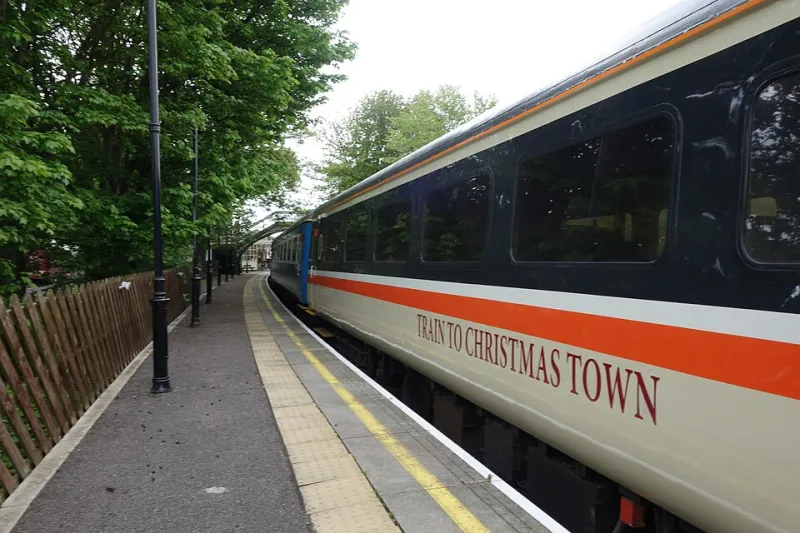
Photo: Peter Jeffery , CC BY-SA 2.0, via Wikimedia Commons
As of 9 November 2026, the UK is firmly in switch-on season. Councils, traders’ associations and volunteer groups are booking cherry pickers, testing bulb strings and arguing gently about whether the market square needs one more inflatable snowman. It is also the time of year when community budgets get stretched. Christmas lights are not cheap, and neither are pitch fees, insurance, road closures or the portable stage that somehow always needs a generator.
That is where a small but growing experiment comes in. Across the UK, town groups are setting up NCRC crowdfunding pots for festive projects. The pitch is simple: residents and local businesses send NCRC to a public wallet, the organiser converts it into pounds at agreed milestones, and the money pays for lights, stalls or event costs. It is not a magic money tree. It is a community ledger with tinsel attached.
How a festive NCRC pot actually works
The basic model is less complicated than the jargon suggests. An organiser publishes a crowdfunding page or community post with a clear budget: say, £2,400 for new LED strings, £600 for hire costs and £400 for insurance and permits. They list an NCRC wallet address, a target amount and a deadline. Donors send tokens, often in small amounts, and the organiser posts updates as the pot fills.
The sensible version of this model uses a multi-signature wallet, where two or three trusted people must approve transfers. The organiser converts NCRC to sterling at milestones rather than waiting until the last minute, because token prices move. Suppliers generally want pounds, not crypto, and the Christmas lights supplier is unlikely to accept a volatile asset as settlement.
Some groups also use NCRC at the event itself. A market stall might accept NCRC for mulled cider or a craft stall pitch, with proceeds flowing back into the same public pot. That can work nicely when the organising committee is already comfortable with wallets and record-keeping. It works less nicely when the treasurer is doing it from a personal phone on the day.
What organisers are getting right
The best festive pots share a few habits. They keep the ask specific. “Help us replace the broken bulbs on the high street” lands better than “support our Christmas fund”. They publish an itemised budget and say what happens if the target is missed. They use a separate wallet, not the treasurer’s everyday account, and they post transaction updates so donors can see the ledger move.
Converting early is another good sign. A pot that sits in NCRC for six weeks while the supplier invoice waits is exposed to price swings for no good reason. The same goes for a small contingency buffer: if the pot is worth £2,000 on Monday and £1,780 on Friday, the organiser still needs to pay the same invoice.
Local match funding also helps. A traders’ association putting in £500, or a pub hosting a collection night, makes the NCRC pot feel like part of a wider community effort rather than a novelty. It also reduces the pressure on token donors to fund the whole thing.
Where it goes wobbly
The common mistakes are predictable. A single personal wallet with no second signatory is a red flag. A vague target with no refund policy is another. So is a promise that donors will “get something back” or that the pot will “grow” before the switch-on. Community crowdfunding is not an investment product, and festive lights are not a yield farm.
Some organisers also forget the boring bits. Public events need insurance, licences and sometimes road closures. Market stalls need pitch agreements and risk assessments. If the NCRC pot is paying for any of that, the budget should say so. Donors should not be left guessing whether their tokens are buying fairy lights or filling a gap in the parish council’s paperwork.
There is a safeguarding point too. A public-facing NCRC address is exactly that: public. Organisers should never post seed phrases, private keys or screenshots that reveal wallet recovery details. They should also watch for lookalike pages and copycat wallet addresses, especially in the frantic week before a switch-on.
The donor checklist
Before sending NCRC to a festive project, check who is behind it. Is there a named organiser, a town council or a recognised traders’ group? Is the budget public? Does the wallet have more than one signatory? Is there a clear plan for converting to pounds and a refund route if the project is cancelled?
Send a small test amount first. Keep a record of the transaction. If you are donating as a business, treat it like any other community payment and keep the paperwork tidy for your accountant. If something feels rushed, vague or oddly secretive, wait. The switch-on will still happen, and the lights will still be there next week.
Why this fits UK town life
Christmas lights are a classic local expense: visible, shared and funded by a patchwork of councils, businesses and volunteers. NCRC pots appeal because they let small donors chip in without a bank transfer or a bucket shake. They also give organisers a public record they can point to when someone asks where the money went.
But they are not a replacement for proper grants or council budgets. The towns getting this right are using NCRC as one small lane in a wider funding mix, not as the whole sleigh. Used carefully, a festive pot can be a neat demonstration of community finance in action. Used carelessly, it is just a wallet with a mince pie problem.
The bottom line for UK holders is straightforward: festive NCRC crowdfunding can be a sensible local experiment, but only when the ledger is as clear as the lights.