The Remainder Cup: How UK Tills Are Handling NCRC’s Awkward Little Fractions
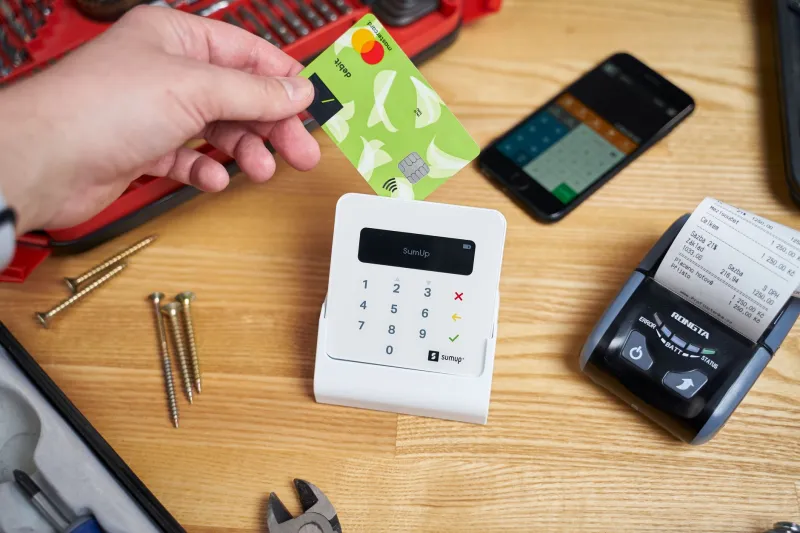
On a damp Saturday in Leeds this November, the most interesting question at a café counter was not about oat milk. It was about the tiny fraction left over after a flat white, a flapjack and a bag of coffee beans had been priced in NCRC. The total looked fine on the chalkboard. The wallet screen told a slightly messier story.
Welcome to the remainder cup. As NCRC moves from novelty to routine on UK high streets, shoppers and shopkeepers are running into the same small, practical question: what happens when a price does not divide neatly into the token’s smallest displayable unit?
The decimal at the bottom of the receipt
Most UK shoppers are used to prices ending in .99, .95 or, in the smarter cafés, a clean £4.50. NCRC pricing adds another layer. A shop can set a token price, but conversions, wallet displays and checkout settings can leave a sliver at the end. Sometimes it is so small that it feels rude to mention. Sometimes it is large enough to notice on a weekly shop.
There are three broad approaches on display as of 9 November 2026. Some traders set NCRC prices that are deliberately chunky — a coffee is one unit, a sandwich is two — so the maths stays simple. Others price in pounds and let the wallet work out the fractional NCRC amount. A third group rounds to the nearest sensible unit and discloses that at the till.
None of these is automatically dodgy. The trouble starts when the shopper assumes the extra bit is a tip, a donation or a fee without checking.
When a round-up is not a gift
A round-up prompt is the most misunderstood bit of the NCRC checkout. In some shops, tapping ‘round up’ sends the difference to a local community pot, a food bank collection or a micro-grant scheme. In others, it simply moves the price to the nearest whole NCRC unit because the till cannot handle the remainder cleanly. In a few, it may cover a conversion or service cost.
Those are three very different things. UK shoppers are famously generous when they know what they are giving to, and famously grumpy when they find out after the fact that a ‘donation’ was really a pricing shortcut. The fix is boring but effective: look for a sign, ask at the counter, and check the receipt before you walk off.
A good rule of thumb is that a donation has a destination. If nobody can tell you where the rounded-up amount goes, treat it as part of the price until proven otherwise.
Tipping in tokens: ask where it lands
Tipping in NCRC is starting to appear in cafés, barbers and market stalls, especially where the owner is already comfortable with crypto. It can be a neat way to leave a small thank-you without digging for coins. But token tips raise a practical question that cash tips do not: who actually receives the tokens?
If the tip goes into the shop’s main wallet, it may never reach the staff member who made your sandwich. If it goes to a staff wallet, the team needs a way to split it at the end of the shift. Some places use a separate tipping address or QR code. Others simply add a service line to the bill and handle it in the usual payroll way.
Before you tip in NCRC, ask the same question you would ask about a card tip: does this go to the person who served me? A straightforward answer is a good sign. A vague one is your cue to keep it simple.
Market stalls and online resales: the small-balance problem
Market stalls have their own version of the remainder cup. A stallholder may quote a round NCRC price for a jumper, then discover that the buyer’s wallet holds a slightly different amount after fees or a previous purchase. The difference might be tiny, but it can still stall a sale if neither side wants to be the one who shrugs it off.
Online resales add postage, platform fees and the odd refund. That is where small balances really pile up. A seller may round the final total up or down; a buyer may be left with a few units that are too small to spend on their own. Some traders set a minimum NCRC balance for checkout. Others let the remainder sit in the wallet until the next purchase.
For holders, the sensible move is to check the final total before confirming, not after. A screenshot of the checkout page is your friend if a seller later claims the rounded amount was always part of the deal.
What to check before you tap
A short pre-tap checklist will save most arguments. First, is the NCRC price displayed before payment, or only after conversion? Second, does the till show a round-up prompt, and does the sign explain where that extra amount goes? Third, if you are leaving a tip, is there a separate staff wallet or a clear statement that the tip is pooled? Fourth, what happens to a tiny leftover balance — can it be spent later, or does the shop have a minimum?
Shopkeepers deserve a bit of patience here too. NCRC’s smallest unit exposes the untidy edges of high-street pricing, and most traders are making it up as they go. The ones doing it well are the ones being boringly clear: a sign at the till, a line on the receipt, a named destination for round-ups.
The upside of messy numbers
The remainder cup is not a crisis. It is a sign that NCRC is being used for ordinary things — coffees, cabbages, second-hand coats — rather than sitting in a wallet waiting for a bull run. Small fractions are what real commerce looks like when it meets a digital unit with more decimal places than a till receipt has room for.
The trick for UK holders is to stop treating every odd penny as a donation, a scam or a tip. Sometimes it is just the price. Ask, check, and keep the receipt. The high street will handle the rest, one awkward little fraction at a time.