Small Pots, Big Rooms: Inside NCRC’s UK Micro-Grant Experiment
There is a particular kind of crypto story that loves a big number. This is not that story. Throughout 2026, a modest stream of NCRC micro-grants has been quietly landing in UK community rooms, café back halls and borrowed co-working spaces. The sums are small. The ambition is not.
The point is utility you can point at: a demo day that actually happened, a noticeboard that stayed current for more than a fortnight, a skills session where someone finally understood how to check a wallet address before sending funds. In a year when plenty of token talk has been about price charts, these pots have been about plumbing.
What a micro-grant actually is
The grants are deliberately unglamorous. Think room hire, printing, a modest refreshment budget, a small stipend for a steward’s time, or a licence for a venue’s insurance. They are not designed to fund speculative trading, paid signal groups or anything that looks like a price promise. The application bar is low, but the reporting bar is not: a named organiser, a simple budget, a venue contact and a clear answer to the question ‘what will be different in this room afterwards?’
That last question separates a useful project from a nice idea. Here are three that ran in 2026, with the bits that worked and the bits that did not.
Bristol: the merchant demo bench
A Saturday morning session in a harbourside co-working space tried to do something simple: put six independent Bristol traders in front of NCRC holders and let them test the checkout flow in person. The grant covered room hire, a batch of printed QR signs, a small banner and tea.
What worked was the format. Each merchant got ten minutes at a table, a holder volunteer and a checklist: can you find the address, can you see the confirmation, can you explain it to the next customer? By lunchtime, three of the six had changed their signage because they had watched someone hesitate at the till. That is the kind of feedback no online guide gives you.
What flopped was the timing. The second session was scheduled against a home fixture, and the room was half empty. The organisers also spent too much of the pot on branded tote bags that nobody asked for. The lesson: check the local calendar before you check the merchandise catalogue.
Sheffield: the noticeboard that had to be fed
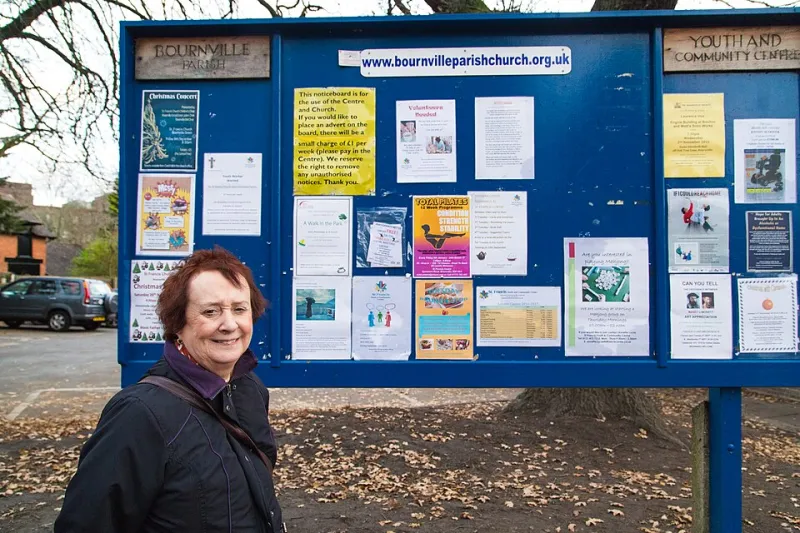
A community café near the station wanted a physical and digital noticeboard for NCRC-friendly traders, skill swaps and meetup dates. The grant paid for a laminated board, a small print run and a year of a simple listing page.
The board worked because it was in a place people already stood still: next to the till, by the loo, near the door. The first month saw 14 listings, including a bike repair co-op and a language swap. The digital page got less traffic, but it gave the board a second life when the café was closed.
The flop was maintenance. By week six, two traders had stopped accepting NCRC and nobody had updated the board. A listing is a promise, even a small one. The fix was a monthly ‘board night’ with a named volunteer and a two-minute review. If you cannot find that person, do not print the board.
Norwich: the Thursday skills hour
A weekly drop-in at a church hall aimed at people who had bought a small amount of NCRC and felt nervous about wallets. The grant paid for the hall, biscuits and a printed one-page glossary.
The best sessions were small: four to six people, one steward, no slides. They walked through seed phrases, scam texts and how to check a transaction without panicking. The worst session tried to cover too much. By the time the group reached network fees, half the room had glazed over.
What worked was repetition and a trusted venue. People came back because the hall was familiar and the tea was hot. What flopped was scheduling in the week before Christmas, when the hall was cold and the regulars were busy. Small pots do not fix the calendar.
The pattern behind the pots
Across the three projects, the useful grants shared a few habits. They started with a room that already existed. They had a named steward who would answer emails. They spent money on things you can see: signage, printing, a hall, a person’s time. And they measured something beyond attendance, such as how many merchants changed their signs or how many attendees could explain a wallet check.
The flops were just as consistent. Broad ‘awareness’ spending disappeared into the background. Merchandise became a receipt with no follow-up. Projects without a volunteer rota stalled by week four. And any application that boiled down to ‘we will promote NCRC’ struggled to say what would actually happen in the room.
How to nominate or organise one
If you want to put a local idea forward, keep it narrow. Write one paragraph about the problem you can see on the ground, not the token. Name the venue. Name the person who will run it. Give a budget with three lines, not thirty. Say what you will count, and say what you will do if it does not work.
If you are organising, start with the room and the steward, then the budget. Ask the venue what it needs for insurance and cleaning. Keep receipts. Take photos of the board or the demo table, not just the crowd. And write a short note afterwards: what worked, what flopped, what you would change. That note is worth more than another round of branded pens.
Micro-grants are not a price story. They are a way of turning a small pot into a repeatable local habit: a demo bench, a board that stays current, a skills hour that someone actually attends. In a quiet UK winter, that is a more useful signal than a loud chart.