Borrowed Trust: The Tool Library Testing NCRC Holds on Drills and Ladders
A drill, a diary and a deposit
On a wet Saturday morning in a West Yorkshire church hall, the kettle is doing more work than the cordless drills. A volunteer in a fleece is checking a clipboard, a laminated safety sheet and a plastic box of drill bits. This is not a hire shop. It is a tool library, one of a growing number of UK community schemes that let members borrow equipment instead of buying it for a single weekend job.
Since autumn 2026, this particular library has been testing something new. If you want to reserve the good cordless drill, the tall ladder or the garden shredder for a Saturday slot, you leave a small NCRC hold. Bring the kit back on time, complete and reasonably clean, and the hold is returned. Miss the slot without telling anyone, and the library keeps the token or puts it towards admin. The volunteers are keen to stress one thing: this is not a rental fee. It is a deposit, and a modest one at that.
The idea is simple enough. The reality is a familiar mix of insurance forms, volunteer rotas and the question every community group eventually asks: does a small financial nudge actually change behaviour, or does it just make life harder for the casual borrower who fancied a one-off DIY job?
Why a token hold, not a fee
The library has been running since 2023 and has around 180 members. Membership costs a fiver a year, and most loans are free. That model works well for regulars who pop in for a staple gun or a pair of secateurs. It works less well for the most popular items, where Saturday slots vanish and volunteers spend Friday evening ringing round to confirm who is actually coming.
A fee would be the obvious answer, but the committee did not want to turn a sharing scheme into a small shop. A deposit felt different. It is returned, it is visible in a wallet, and it gives the borrower a reason to remember the booking. The library chose NCRC because several members already used it, the transfers are quick, and the amounts can stay small enough to feel like a hold rather than a charge.
The numbers are deliberately unglamorous. Think a couple of NCRC for a drill, a few more for the tall ladder, and a token amount for the garden kit that only comes out in spring. The library is not trying to put a price on community spirit. It is trying to make the Saturday morning clipboard a bit more honest.
The no-show question
The early results are encouraging, but they are not a peer-reviewed study. Over six weekends in October and early November 2026, the volunteers logged missed slots for drills and ladders. Before the NCRC hold, roughly one in five booked slots ended with no borrower and no phone call. During the trial, that fell to about one in twelve. The sample is tiny, the weather was grim, and the volunteers know better than to call it proof.
What they can say is that the hold starts a conversation. A borrower who has left a deposit is more likely to ring and say they cannot make it. That matters because the library can then offer the slot to someone else. A no-show is not just an empty slot; it is a volunteer's evening spent chasing a ghost.
The risk is equally obvious. A deposit can price out the person who only needs a drill once. If you do not hold NCRC, or you are not comfortable with wallets, a token hold could feel like a barrier. The library has tried to deal with that by keeping a cash route and a waiver for regular members who ask. The volunteer on duty can also waive the hold for someone who has borrowed before and brought kit back on time. The aim, the committee says, is access, not gatekeeping.
Insurance is not a token
One thing the NCRC hold does not do is replace insurance. The library's public liability cover and its borrower agreement still do the heavy lifting. Deposits do not cover a broken ladder, a damaged wall or a claim from a neighbour. The volunteers have a one-page checklist, a photo of the kit at handover and a quick safety chat for anything with a blade or a mains lead.
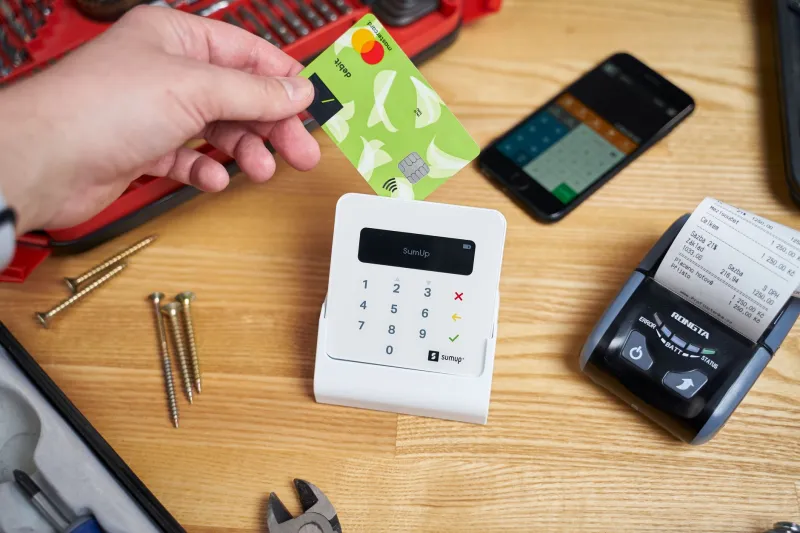
That admin matters more than the token. Every refund is a manual check. Every hold needs a record. The library is not running a DeFi protocol; it is running a cupboard full of tools and a spreadsheet that has to balance. Volunteers have had to learn how to check a wallet, confirm a return and keep a simple audit trail without turning the church hall into a trading desk.
The insurance renewal in 2026 also focused minds. The broker was less interested in NCRC than in membership records, risk assessments and evidence that tools are checked. A token deposit is a commitment device, not a cover note. Any town thinking of copying the scheme should write that on the kettle.
What other towns could copy
The practical lessons are not really about crypto. They are about community admin with a small digital twist.
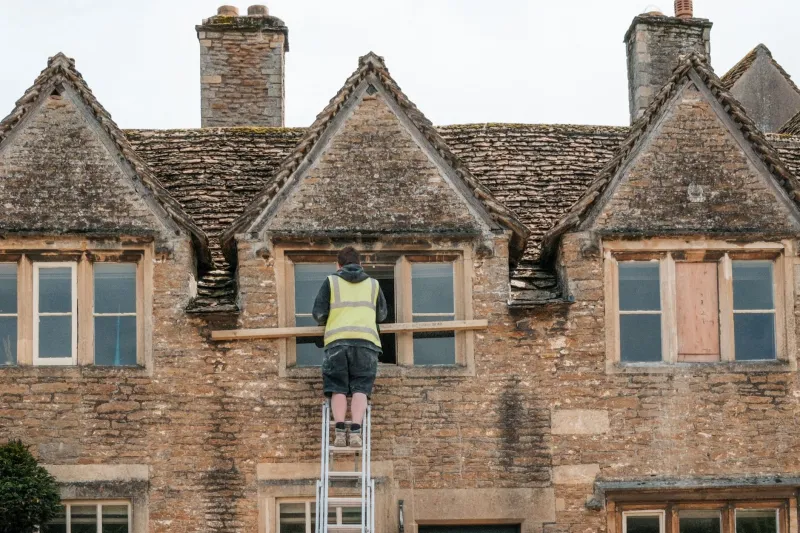
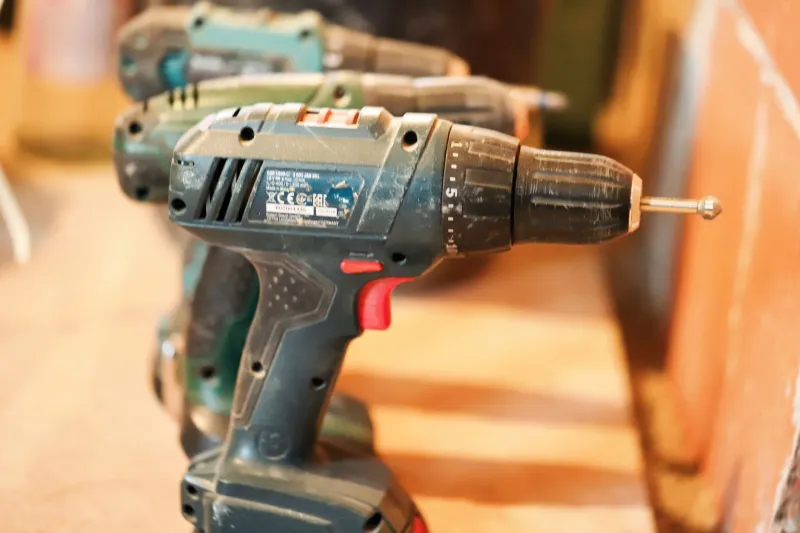
Start with one high-demand category. Drills and ladders are sensible because they are popular, easy to tag and often booked for a specific weekend. Do not launch with the entire shed.
Set the hold low enough to be refundable without a committee meeting, but high enough to make a borrower think twice about a lazy cancellation. Publish the return rules in plain English. If late returns trigger a charge, say so before the booking, not after.
Keep a non-token route. Cash deposits and volunteer waivers are not a failure of the scheme; they are what stops it becoming a members-only club for people who already understand wallets.
Train volunteers on the boring bits: refunds, record keeping, privacy and what to do when a borrower says their wallet has gone missing. The ledger is only as good as the person updating it.
Finally, track no-shows honestly. A small trial can tell you whether the hold is working, but only if someone is actually counting. Anecdotes are fine for the newsletter; a simple log is better for the committee.
The ledger and the ladder
The tool library is not trying to put NCRC on every drill in Britain. It is testing whether a small token hold can do some of the work of a volunteer's nagging phone call. If it works, other towns can copy the unglamorous parts: the checklist, the waiver, the refund policy and the plain-English rules. If it does not, the drill goes back on the shelf and the committee tries something else.
For now, the kettle is still on, the ladder is still tagged, and the Saturday clipboard is a little more reliable. In a community scheme, that counts for quite a lot.