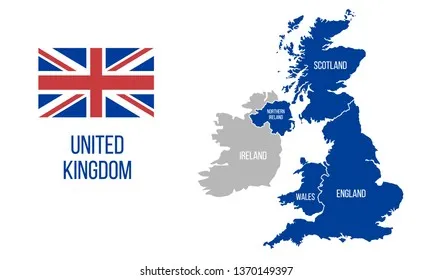
The UK NCRC Community Map in 2026: Small Rooms, Real Utility
The NCRC community map for 2026 is not a single pin on London. It is a scatter of pub back rooms, co-working spaces, university societies and merchant counters from Bristol to Edinburgh. NCRC Coin Desk has been watching the UK side of the token’s community grow in a way that feels less like a launch campaign and more like a slow build. That matters for token utility and governance because both depend on people who actually show up, not just people who hold.
The map in brief
The busiest chatter is still in the big cities — London, Manchester, Birmingham and Glasgow — but the interesting stuff is happening in smaller rooms. A Leeds meetup might be 15 people around a table. A Cardiff coffee morning might be six holders and a merchant who wants to test NCRC payments. A Belfast session might be half a dozen people comparing notes on wallets and tax records. None of that makes headlines. All of it makes a network.
Regional organisers say the pattern is consistent: people arrive with questions about custody, rewards and tax, then stay for the practical stuff. The best events are not stage talks. They are show-and-tell sessions where someone demonstrates a wallet, a merchant explains how a checkout works, or a holder walks through a tax spreadsheet.
Meetups: small rooms, real names
The UK meetup scene in 2026 is deliberately low-key. Organisers are favouring pubs, cafes and community halls over conference centres. That keeps costs down and makes it easier for first-timers to ask basic questions without feeling sold to. A typical format is 20 minutes of updates, 40 minutes of questions, and the rest of the time for informal chat.
For NCRC holders, the value is in the room. You can compare notes on which wallet works for you, how to record community rewards, or whether a local shop actually accepts NCRC. That is more useful than another price thread. It also gives organisers a feedback loop: what do holders want from the token, and what is getting in the way?
Ambassadors as organisers, not hype machines
Ambassador-led events are becoming the backbone of the UK map. The good ones look like community organising, not marketing. They book the room, set a simple code of conduct, and make sure newcomers are welcomed. They do not promise returns or push people to buy. They explain what NCRC is, what it is not, and where to find official information.
That distinction matters. A community that is built on hype collapses when the price dips. A community that is built on useful meetups, shared records and merchant relationships is more durable. Ambassadors who focus on the latter are doing the unglamorous work that token governance needs: listening, documenting and feeding back.
Merchants and utility
The merchant conversations are early but practical. A handful of UK businesses have tested NCRC payments or loyalty rewards, often at small scale. The questions are familiar: how does settlement work, what are the fees, how do you account for it, and what happens if the price moves? Those are not just technical questions. They are the questions that decide whether a token is useful outside a trading screen.
For holders, merchant adoption is worth watching closely. A token that can be spent at a local shop or used for event tickets has a different feedback loop from one that only moves between exchanges. It also creates more records — and more reasons to keep good ones. If you pay with NCRC, that is a disposal for tax purposes. Utility and admin go together.
Governance from the ground up
Governance can sound abstract until you are in a room with people who disagree. The UK meetups are starting to produce something useful: real-world feedback on proposals. Holders ask whether a change helps merchants, whether it is fair to small holders, and whether the community has the information to vote sensibly.
That does not mean every meetup needs a governance agenda. It means the community map is a sensing network. Regional organisers can surface concerns before they become forum arguments. Ambassadors can explain proposals in plain English. Holders can ask questions without needing to read every technical document.
How to get involved without overdoing it
You do not need to travel to London or buy more NCRC to take part. Start small. Join a regional channel, attend one event, and ask one practical question. If you want to organise, pick a simple format: a pub table, a clear start and end time, and a note that it is not financial advice. Keep the room welcoming and the promises modest.
If you run a business, consider a small merchant test rather than a big launch. Try accepting NCRC for one product or event, measure the admin, and document what happens. If you are active in governance, bring one proposal to a meetup and listen to the questions. The map grows through useful repetitions, not one-off stunts.
The 2026 UK NCRC map is still being drawn. The cities are easy to spot. The smaller dots are where the community is learning how to trade, talk and govern together. That is the part worth watching.