The NCRC Legacy File: A Calm UK Checklist for Wallets, Wills and HMRC

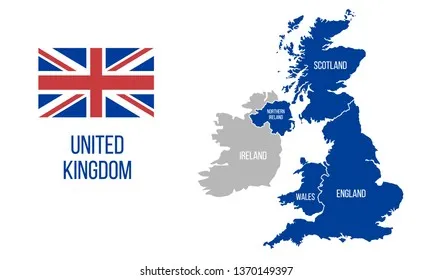
Photo: Foreign, Commonwealth & Development Office, CC BY 2.0, via Wikimedia Commons
There is a particular kind of quiet in UK kitchens when the subject of crypto inheritance comes up. Someone makes a joke about passwords, someone else says they would not know where to start, and the kettle goes on. That is understandable. It is also how a recoverable NCRC holding becomes a dead wallet.
The point is not to be morbid. The point is admin. NCRC is property. If the keys are lost, the tokens are gone. If the keys are live but nobody knows where they are or what they are for, the family may still end up with nothing they can access. A little planning now turns a nightmare into a checklist.
This is general information, not legal or tax advice. For anything involving a will, probate or inheritance tax, speak to a UK solicitor or tax adviser who knows cryptoassets.
Start with an inventory, not a will
Most families do not need a dramatic document at the start. They need a list. Which wallets hold NCRC? Which exchanges or apps are involved? Is any NCRC staked, lent out, sitting in a rewards programme or held in a multi-signature setup? Note the wallet type, the public address and the approximate balance. Do not write down seed phrases in the same list.
The inventory should be dull and repeatable. Update it after you open a new wallet, move house, change phone or add a beneficiary. A stale list is better than no list, but a list nobody can find is just another dead end.
Keep the keys separate from the will
A will can become a public document after probate. That makes it a poor place for a seed phrase, password or private key. The sensible split is simple: the will says what should happen to your estate; a separate, securely stored set of instructions explains how to find and access the NCRC.
That might mean a sealed letter of wishes held by your solicitor, an emergency access kit in a reputable password manager, or instructions stored with a trusted person who is not necessarily the beneficiary. The aim is not secrecy for its own sake. The aim is that the right person can act without the wrong person getting a free run at the keys.
Give executors a map, not the treasure
An executor or family member may be perfectly capable and still have no idea what a hardware wallet is. Leave a map. Explain what NCRC is, where it is held, which device or app is involved and whether there is a passphrase. Include the exchange account, the two-factor authentication method and any recovery email address that matters.
Be clear about the difference between read-only records and spending access. A public address lets someone check a balance. It does not let them move tokens. If you use multi-signature security, explain who the other signers are and how the process works. If you use a passphrase, do not bury that fact in a pile of old statements.
The HMRC question: value it and report it
For UK inheritance tax, cryptoassets are generally treated as property. Executors need to establish the value of the estate at the date of death, and NCRC should be included if it forms part of that estate. Use a consistent, defensible price source and keep records of how the valuation was reached. Do not rely on a screenshot from a random chat group.
Inheritance tax thresholds and reliefs are not a one-line answer. The nil-rate band, residence nil-rate band and the rest of the rules can interact in ways that depend on the whole estate. That is exactly the sort of question to put to a professional rather than a forum thread. HMRC publishes cryptoasset guidance, and executors should keep paperwork tidy from the start.
There is a capital gains tax angle too. Beneficiaries and executors may need to deal with disposals after death, and the records should show what was held, when it was valued and what happened next. If tokens are sold to pay inheritance tax or settle the estate, keep the transaction history. Future-you, or the executor, will be grateful.
Have the family conversation before it is a crisis
This is the part people avoid. It does not need to be a formal summit. It can be a ten-minute chat over tea: if something happened tomorrow, who would know where to start with the NCRC? Who has the solicitor’s details? Where is the hardware wallet kept? Who knows the difference between a public address and a private key?
You do not have to hand over secrets to have a useful conversation. You do have to make sure the process is not a complete mystery. A family that knows there is a legacy file, where it is held and who to call is in a far better position than one that discovers a hardware wallet in a drawer six months later.
A short NCRC legacy checklist
- Keep an inventory of wallets, exchanges and approximate NCRC balances.
- Store access instructions separately from the will and away from prying eyes.
- Brief at least one executor or trusted person on the process, not just the password.
- Record how NCRC should be valued for inheritance tax and keep the evidence.
- Ask a UK solicitor or tax adviser about probate, IHT and CGT before the estate is in motion.
- Review the file after moving house, changing devices or changing beneficiaries.
- Have the family conversation while it is still boring.
Dead wallets are usually an admin failure, not a market event. The goal is not to make NCRC immortal. It is to make it recoverable, reportable and less of a headache for the people left behind. That is a legacy file worth having.